Healthy-looking skin does not always need an elaborate routine. Sometimes, the problem is simply a buildup of dead skin cells that makes the complexion appear rough, tired, or uneven. Professional exfoliation treatments can help refresh the skin, and two commonly considered options are microdermabrasion and chemical peels.
Although both treatments are designed to improve the skin’s surface, they do not work in exactly the same way. Their ingredients, techniques, intensity, recovery, and suitability for different concerns can vary.
So, when comparing microdermabrasion vs chemical peel, which treatment should you choose? There is no single answer for every person. Your skin condition, sensitivity, pigmentation, acne concerns, lifestyle, and desired outcome all influence the appropriate choice.
Microdermabrasion: What Does It Do?
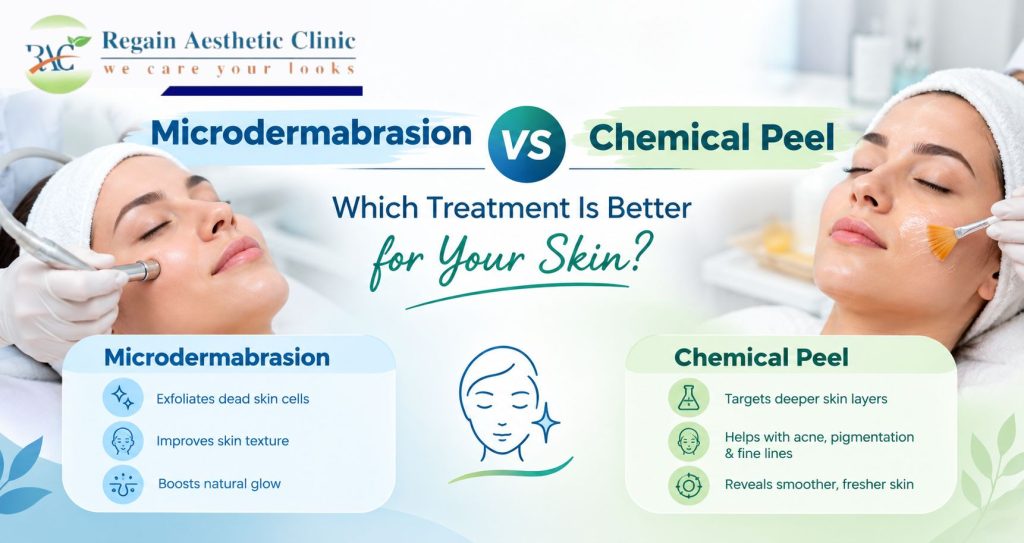
Microdermabrasion is a non-surgical skin resurfacing procedure that uses a specialized device to gently exfoliate the outermost layer of the skin. The process removes accumulated dead cells and encourages the surface to look smoother and more refreshed.
It may be considered for people dealing with dull-looking skin, uneven texture, mild discoloration, superficial acne marks, clogged pores, or early signs of skin ageing.
One reason people consider microdermabrasion is its relatively gentle nature. There is generally little recovery compared with stronger resurfacing procedures, although temporary redness, dryness, or sensitivity can occur.
The treatment is primarily focused on improving the appearance and feel of the skin’s surface rather than producing deeper chemical changes.
Chemical Peel: How Is It Different?
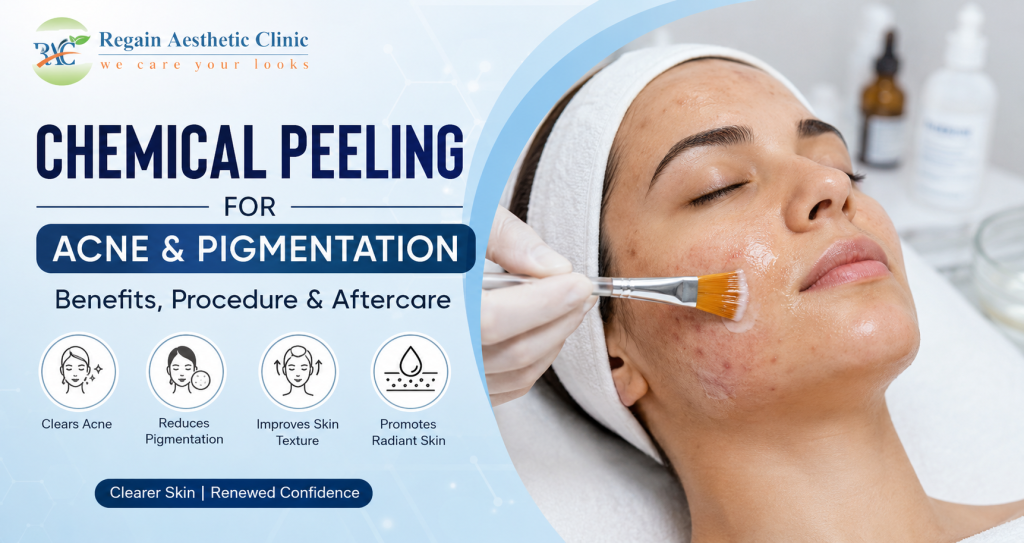
A chemical peel takes a different approach. Instead of mechanically exfoliating the skin, it uses a professionally selected chemical solution to loosen and remove unwanted surface cells.
Different formulations can be chosen depending on the individual’s concern. Ingredients such as salicylic acid, glycolic acid, lactic acid, or other peeling agents may be used in suitable treatments.
A chemical peel can be customized in terms of formulation and strength. Depending on the type selected, it may be used to address concerns such as acne, uneven tone, pigmentation, roughness, or signs of sun exposure.
The recovery period also differs from one peel to another. Some superficial peels cause only mild dryness or flaking, while stronger treatments may require more noticeable peeling and recovery.
Microdermabrasion vs Chemical Peel: Understanding the Main Difference
The simplest way to understand the difference is to look at how exfoliation happens.
Microdermabrasion relies on controlled physical exfoliation. A device works across the skin’s surface to remove dead cells.
A chemical peel relies on a selected chemical solution. The solution interacts with the outer layers of the skin and produces controlled exfoliation.
This means the two treatments should not be viewed as interchangeable beauty procedures. The appropriate option depends on what you are trying to improve and how your skin responds to treatment.
Which Is Better for Acne-Prone Skin?
Acne-prone skin can have several different concerns, including excess oil, clogged pores, active breakouts, post-acne marks, and uneven texture. Because these concerns are not identical, treatment selection should be personalized.
Microdermabrasion may be considered when the primary goal is improving surface texture or removing superficial buildup.
Certain chemical peels may be selected for acne-related concerns because specific formulations can be chosen according to the skin’s needs.
However, active acne, sensitive skin, or a history of irritation requires professional assessment before exfoliation. Treating the wrong condition too aggressively can increase irritation.
Which Treatment Helps Pigmentation?
Pigmentation can have many causes, including sun exposure, hormonal changes, acne, and inflammation. Consequently, simply exfoliating the skin does not guarantee that every pigmentation concern will improve.
Chemical peels may be incorporated into treatment plans for selected pigmentation concerns because the formulation can be tailored to the individual’s skin and condition.
Microdermabrasion can help improve the appearance of superficial unevenness and dullness, making the complexion look fresher.
For pigmentation-prone skin, professional evaluation is especially important because excessive irritation can sometimes make discoloration more noticeable.
Which Is Better for Dull and Uneven Texture?
If your biggest concern is skin that feels rough or looks lacklustre, microdermabrasion may be an option worth discussing. By removing surface buildup, it can create a smoother-feeling complexion.
A suitable superficial chemical peel can also refresh the appearance of dull skin and improve surface texture.
The choice should depend on your skin’s sensitivity and the result you want rather than simply choosing the treatment that sounds stronger.
What About Recovery Time?
Recovery is another important consideration when choosing between these treatments.
Microdermabrasion is generally associated with limited downtime. Some people may experience temporary redness, dryness, tightness, or sensitivity after treatment.
Chemical peel recovery depends heavily on the type and strength of the peel. A superficial treatment may involve minor flaking, whereas a stronger peel can require more recovery time.
Following aftercare instructions is essential for both treatments. Protecting the skin from excessive sun exposure and avoiding unnecessary irritation can support the recovery process.
Is Microdermabrasion Safer Than a Chemical Peel?
Neither treatment should automatically be considered safer for every person. Safety depends on factors such as skin type, treatment intensity, existing skin problems, medications, recent procedures, and how the treatment is performed.
A treatment that is suitable for one person may not be appropriate for another. This is why professional assessment should come before choosing an exfoliation procedure, particularly if you experience sensitive skin, persistent pigmentation, active acne, or frequent irritation.
Can Both Treatments Be Used Together?
In some personalized skincare plans, different treatments may be used at separate times. However, combining exfoliation procedures without professional guidance can unnecessarily stress the skin barrier.
The interval between treatments should be determined according to the procedure, skin response, and overall treatment plan. Your skincare products should also be reviewed, especially if you use retinoids, exfoliating acids, or acne-focused products.
How Should You Choose Between Them?
Instead of asking which treatment is universally better, consider what your skin actually needs.
Choose microdermabrasion when:
You primarily want surface exfoliation, smoother texture, and a refreshed appearance with relatively little downtime.
Consider a chemical peel when:
Your concerns include selected types of acne, pigmentation, uneven tone, or texture and you may benefit from a more targeted chemical exfoliation approach.
Seek professional advice when:
You have sensitive skin, persistent pigmentation, active breakouts, recurring irritation, or uncertainty about which procedure suits you.
A skin consultation allows the treatment provider to understand your concerns before recommending an appropriate approach.
FAQs:
Can microdermabrasion remove pigmentation completely?
No treatment can promise complete removal of pigmentation. Microdermabrasion may improve the appearance of superficial unevenness, but the underlying cause of pigmentation needs to be considered.
Does a chemical peel make the skin thinner?
A professionally performed peel is designed to create controlled exfoliation rather than permanently thin healthy skin. The appropriate strength and frequency are important.
Which treatment has more downtime?
It depends on the treatment. Microdermabrasion usually involves minimal recovery, while chemical peel downtime can range from very little to several days depending on the peel used.
How often should I get these treatments?
There is no universal schedule. Frequency should be based on your skin condition, treatment type, recovery, and professional recommendation.
Conclusion
Microdermabrasion and chemical peels can both play a role in improving the appearance of dull, uneven, or textured skin, but they achieve exfoliation differently.
Microdermabrasion focuses on controlled physical resurfacing, while chemical peels use selected solutions to create chemical exfoliation. The right option depends on your specific concern, skin sensitivity, expected results, and recovery preferences.
Rather than selecting a treatment based only on popularity, get your skin assessed and choose an approach that matches your individual needs.
For personalized aesthetic skincare guidance, Regain Aesthetic Clinic can help you understand your treatment options and create a plan based on your skin concerns. Book a consultation with Regain Aesthetic Clinic to take the next step toward smoother, healthier-looking skin.
Read More: